

A new chapter is unfolding in the auto world where vehicles no longer stay frozen in the form they were bought. Cars now gain features long after leaving the showroom, shaped by software updates that arrive quietly over time.
From voice assistants powered by artificial intelligence to new driving tools, modern vehicles are starting to act more like connected devices than traditional machines.
Update That Changed Cars Overnight
In early March, thousands of Volvo owners experienced something unusual. Their cars received a software update that added an AI-powered digital assistant built on Google Gemini. The assistant can hold casual, natural conversations inside the vehicle.
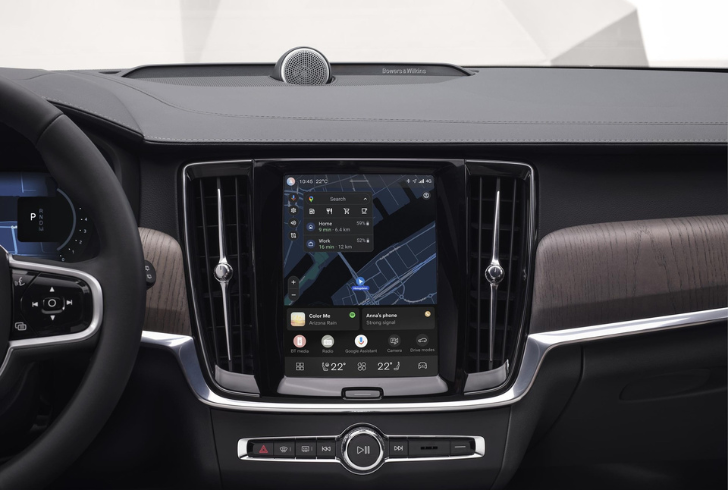
What stands out is not just the feature itself, but the timing. These updates reached cars that were already on the road, including models purchased as far back as 2020. Most of the affected vehicles belonged to model year 2021 and newer, equipped with Volvo’s Android-based infotainment system.
Owners went to sleep with one version of their car and woke up to another, with no dealership visit required and no hardware change involved.
The update also refined in-car navigation by making commonly used apps easier to access. Plug-in hybrid models received added flexibility in drive modes, helping drivers switch between electric and fuel-based operation with more ease.
Cars That Improve Through Internet Connections
Modern vehicles increasingly stay connected to the internet. This connection allows automakers to send over-the-air updates that fix issues, adjust systems, and introduce new features.
Most of these updates focus on digital systems, especially touchscreen-based controls. Still, their impact can reach beyond simple software tweaks.
Subaru recently expanded its hands-free highway driving system to select Outback models already on the road. The system supports speeds up to 85 mph on certain highways, while still requiring drivers to keep attention on the road and take control when needed.
Entertainment, Creativity, and Seasonal Updates
Not every update focuses on driving performance or safety. Some bring playful changes that reshape the in-car experience.
Rivian released seasonal software additions that turned vehicle screens into themed visuals, including references inspired by the “Back to the Future” DeLorean’s flux capacitor and the voice interface from K.I.T.T., the talking car from “Knight Rider.”
Tesla has also become known for holiday software updates. These often mix practical improvements in safety systems with entertainment features such as games that can be played when the vehicle is parked. These updates are offered without additional charges.
Performance That Can Be Switched On
Electric vehicles introduce another layer to software-based upgrades. Many EV manufacturers use the same physical hardware across different versions of a model. Differences often stem from software limits on motor and battery output.
Some automakers now allow performance changes through paid software upgrades:
– Ford introduced an optional upgrade for the Mustang Mach-E in 2024 that adds 100 lb-ft of torque and improves acceleration for $995.
– Mercedes offers subscription-based access to additional horsepower, billed monthly or yearly.
– Rivian provides a Performance Package that can increase horsepower and driving range.
These changes do not require mechanical modification. They rely entirely on software adjustments that modify how existing systems operate.
The Shift Toward Software-Defined Cars
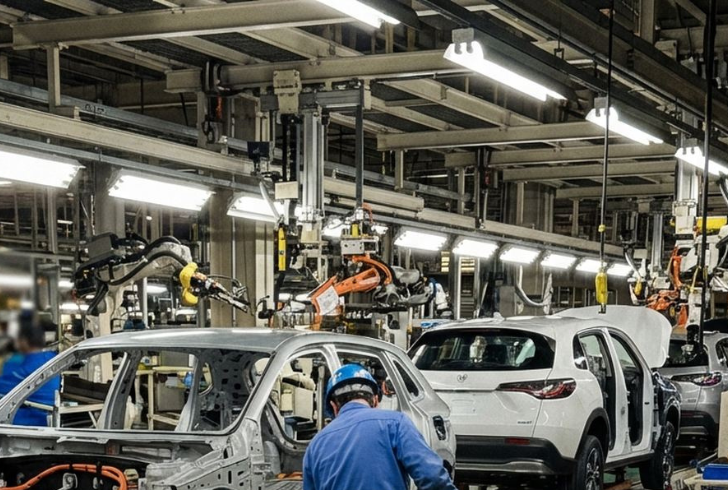
Car manufacturing is moving toward a model where vehicles function as software-driven platforms. In this structure, features can be added, updated, or adjusted remotely.
This approach also reshapes how manufacturers think about production. Today, different trims require different physical components.
For example, a compact SUV may include 8-speaker audio in base versions, 12-speaker systems in mid-level trims, and 16-speaker setups in premium models.
A software-based model could simplify this. Every vehicle could include the full hardware set, with features activated based on purchase plans or subscriptions.
A Volvo executive described the direction of future updates by stating, “plans many further enhancements, hoping to make the long-term experience of owning a Volvo a string of pleasant surprises.”
Ownership Trends and Consumer Response
Vehicles in the United States are staying on the road longer than ever. Today, the average car is nearly 13 years old. As a result, automakers now have more opportunities to offer ongoing software services to current owners.
However, subscription-based features remain a controversial topic. While companies see them as a source of steady revenue, many drivers hesitate to pay monthly fees for features they feel they already own.
In contrast, free updates receive a much more positive response. When companies add features at no cost, drivers usually see them as added value instead of an extra expense.
As a result, software updates are changing what car ownership looks like. Vehicles no longer stay the same after purchase. Instead, they continue to improve in capability, design, and function over time.
For example, automakers now offer AI assistants in some models, along with performance upgrades in electric vehicles. Because of this shift, the industry is clearly moving toward cars that evolve long after delivery.