

Luxury motorhomes often reflect the latest ideas in comfort and design, but some groundbreaking models appeared long before modern RVs reached today’s standards.
One remarkable example is the 1966 Carabus, a custom-built motorhome that combined home-style living with engineering ideas rarely seen during its era.
Commissioned by Sheffield steel industrialist Philip Lee and crafted by Harold Radford Coachbuilders Limited, the Carabus introduced features that even many premium motorhomes would envy today.
From a built-in garage carrying a Mini Cooper S to a fully equipped kitchen and recording studio, this one-of-a-kind vehicle became a milestone in recreational vehicle history.
A Custom Project Unlike Any Other
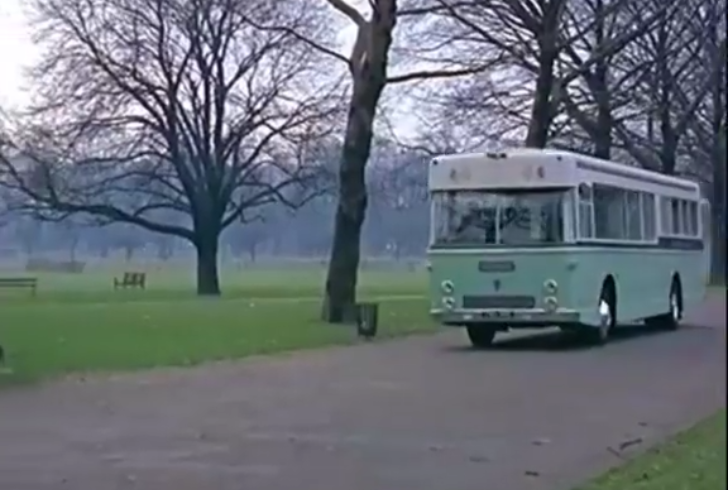
The 1966 Carabus, officially known as the Sheffield Carabus or Transcontinental Carabus Mk2, was built on an AEC Reliance bus chassis. Measuring approximately 36 feet (11 meters), the conversion pushed the limits of what a motorhome could offer during the mid-1960s.
Harold Radford Coachbuilders completed the project in 1965 before presenting it publicly in London’s Hyde Park in 1966. The unveiling attracted widespread media attention and highlighted the company’s ability to create an entirely new class of luxury road travel.
The project carried a price tag of £25,000 at the time, which equals roughly £604,500 today, or approximately €708,000 and $807,800 based on current exchange rates. Reports describing the vehicle as the “Transcontinental Carabus Mk2” also suggest that Philip Lee had received an earlier “Mk1” version a year before.
Built Around the Owner’s Needs
The Carabus was much more than a display of wealth. Philip Lee was partially disabled, and several of the vehicle’s most unusual features were designed to improve accessibility.
A hydraulic entrance platform made boarding easier, while another hydraulic lift provided roof access. The most striking system operated at the rear, where a hydraulic lift raised and lowered a specially modified Mini Cooper S stored inside an integrated garage.
At the time, very few motorhomes included a built-in garage. This design lets the owner park the larger vehicle and drive the compact Mini Cooper S through narrow city streets with ease.
Motorhome With an Integrated Car Garage
One of the Carabus’ defining features was its enclosed rear garage. Inside sat a specially converted 1965 Morris Mini Cooper S, modified by Harold Radford Coachbuilders to fit the available space.
The Mini itself gained attention because it is widely believed to be the company’s first hatchback conversion. Harold Radford later became known for several celebrity vehicle projects, including a custom Mini created for Beatles drummer Ringo Starr that provided enough room to transport his drum kit.
Today, large garages carrying compact vehicles have become common on luxury European motorhomes such as Concorde and Vario models. The Carabus introduced that concept decades earlier.
A Home Designed for Long-Distance Travel
Inside, the Carabus resembled a compact luxury apartment rather than a converted bus.
The layout included accommodation for three passengers, while the driver had separate sleeping quarters located at the rear. Although often described as separate quarters, available records do not indicate the presence of a full private bedroom.
The living space featured double aircraft-style seats that could swivel and be integrated into the lounge. Electric windows included built-in blinds and insect screens, adding convenience rarely found in vehicles of that period.
The motorhome also featured power-assisted steering, power brakes, and a six-speed synchromesh gearbox, making the large vehicle easier to operate than many commercial buses of its day.
A Recording Studio on Wheels
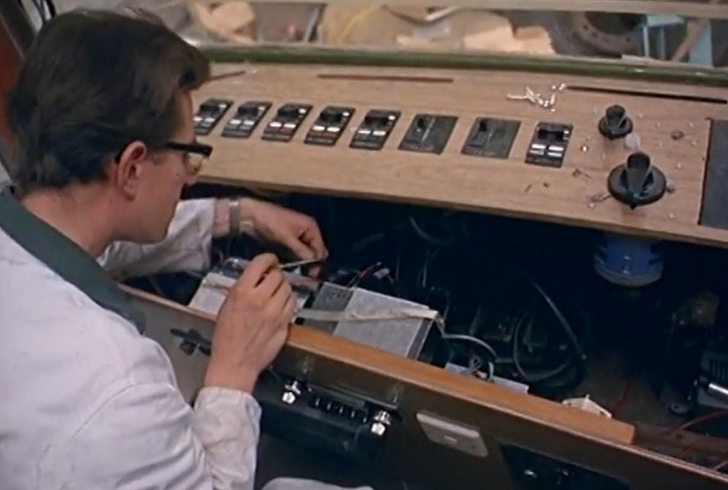
Among the Carabus’ most unexpected additions was a built-in recording studio.
Hidden beneath the slide-away living room sofa, the recording equipment shared space with storage compartments for vinyl records. The sofa also converted into the vehicle’s third bed, making clever use of limited interior space.
An integrated record player worked alongside the onboard intercom system, creating an entertainment setup that stood out during the 1960s. Radio equipment and at least one television further added to the feeling of a complete home on wheels.
A Kitchen That Rivaled Many Homes
The kitchen reflected the same ambitious design philosophy found throughout the vehicle.
The Carabus offered much more than basic camping equipment. It featured two refrigerators, a sink with hot and cold water, a wall-mounted dishwasher, a four-burner electric cooktop, a grill, and a built-in oven.
At the time, many RVs had only simple cooking facilities. The Carabus gave travelers the comfort of a home kitchen inside a converted bus.
Comfortable Living With Modern Conveniences
The Carabus also offered two bathrooms, each with a toilet and a hot-water shower. Available historical information does not specify the size of the onboard water tanks, but the plumbing system itself was considered unusually advanced for the period.
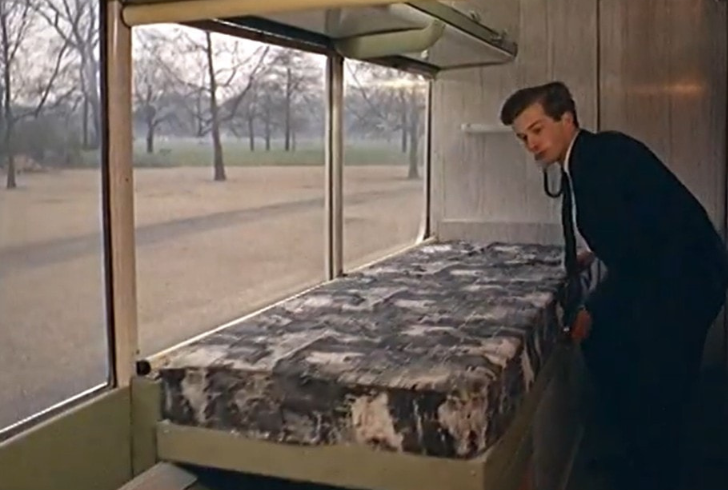
Sleeping arrangements included bunk-style beds along one side of the interior, as well as a convertible sofa. Combined with extensive storage and practical furniture, the layout supported extended travel without sacrificing comfort.
Each section of the motorhome reflected months of detailed craftsmanship. Harold Radford Coachbuilders later described the Carabus as the company’s largest and most demanding project completed up to that point.
Public Recognition and What Happened Next
Following its public debut in London’s Hyde Park, the Carabus attracted widespread media attention across Britain. Publications such as Reader’s Digest featured the unique conversion. The coverage highlighted its unusual design and engineering for the time.
After the launch, the motorhome was delivered to owner Philip Lee. The Kenning Motor Group in Sheffield maintained the vehicle until 1972.
Records from the UK’s Driver and Vehicle Licensing Agency (DVLA) show that the Carabus no longer exists. Its matching 1965 Morris Mini Cooper S remained registered until 1985. It was listed as a black Morris Cooper S before disappearing from official records.
The Carabus introduced ideas that were rare during the 1960s. Its integrated car garage, hydraulic lifts, residential-style kitchen, onboard entertainment system, and two bathrooms set it apart from other motorhomes of the era.
Although the vehicle has disappeared, its impact remains clear. Many features seen in today’s luxury motorhomes reflect concepts first demonstrated by the 1966 Carabus. That lasting influence secured its place in motorhome history.