

Electric and hybrid vehicles are steadily shifting from niche options to mainstream choices across global auto markets. Yet the pace of adoption varies widely by country.
While consumer interest in cleaner vehicles is rising in places like the United States, actual sales tell a more complex story shaped by pricing, policy support, fuel costs, and infrastructure readiness.
Recent 2025 data from the International Energy Agency (IEA) shows a clear global milestone: one in four new cars sold worldwide is now either electric or plug-in hybrid.
Growing Interest in the United States
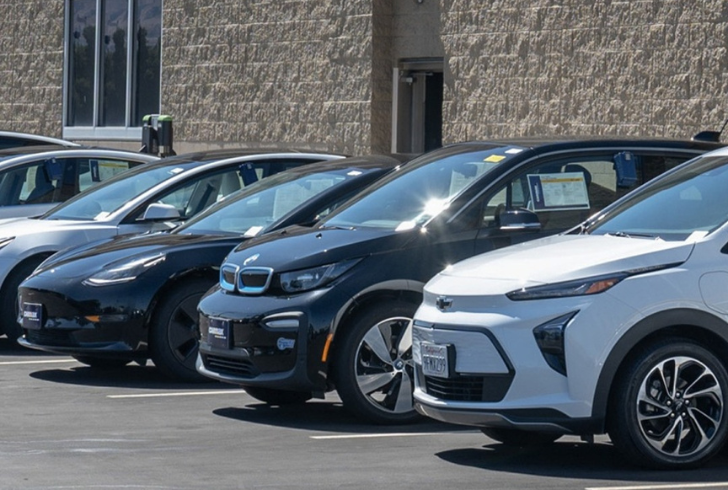
In the United States, public interest in electrified vehicles continues to build. A March survey from Pew Research Center found that 32% of adults say they are very or somewhat likely to seriously consider an electric vehicle for their next purchase. Hybrid vehicles draw even broader attention, with 44% expressing similar interest.
This interest has developed alongside rising fuel costs, especially during periods of geopolitical tension that have pushed gas prices higher. Even so, real-world sales lag behind sentiment.
In 2025, electric vehicles and plug-in hybrids made up just 10% of all new car sales in the United States, according to IEA data. That share remains significantly below the global average of 25% and trails many other major markets.
Despite the gap, the U.S. remains a major volume player. Around 1.5 million electric and hybrid vehicles were sold in 2025, the second-highest total globally after China.
Countries Leading the Shift Toward EV Adoption
A small group of countries has moved far ahead in EV and plug-in hybrid adoption, with at least half of all new car sales already electrified in 2025. This threshold was reached in eight countries, compared with just four the previous year.
Among them, a few stand out for their scale and policy direction:
1. Norway leads globally with 97% of new car sales being electric or hybrid. Long-standing tax exemptions on EV purchases, reduced tolls, discounted ferry fares, and high fuel prices above $9 per gallon have all shaped buyer behavior.
2. Denmark reached 71% of new sales as EVs or plug-in hybrids in 2025.
3. Iceland recorded 62%, though its share has fluctuated due to policy changes and shifts in tax incentives.
4. Sweden reported 61%, supported by long-term climate-focused transport policies.
5. Netherlands reached 58%, backed by strong charging infrastructure with about 207,000 public charging points in 2025.
6. Finland stood at 57%, reflecting steady growth across Nordic markets.
7. China crossed a major milestone with 53% of new cars sold being electric or hybrid for the first time.
8. Nepal reached 68%, despite relatively small overall vehicle volumes.
Across Europe, upcoming regulations such as the European Union’s planned 2035 ban on new gas-powered cars continue to influence consumer decisions and manufacturer strategies.
China’s Rapid Expansion and Market Influence
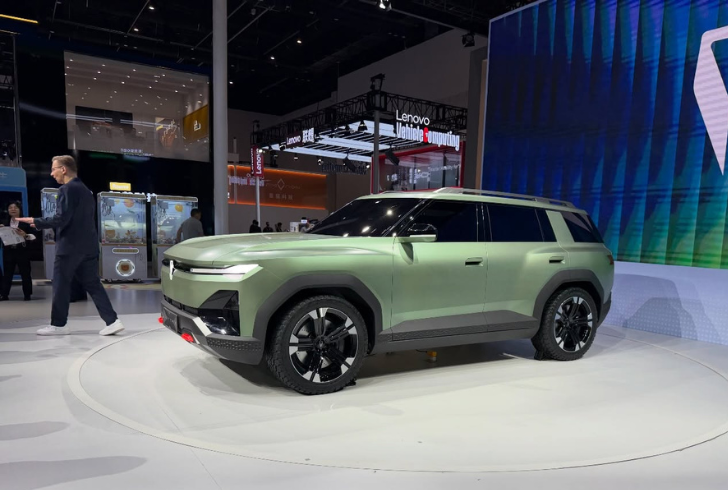
China stands at the center of global EV growth, both in scale and speed. In 2025, it accounted for 53% of its domestic new car sales being electric or hybrid, up from 48% the previous year. This shift represents the fastest large-market transition recorded in recent IEA data.
Between 2009 and 2023, government support exceeded $230 billion, helping build a strong manufacturing base and pricing advantage. Even after reductions in subsidies, electric vehicles remain comparatively affordable. The median EV price in China reached $43,000 in 2025, about $20,000 higher than gas vehicles locally, yet still lower than EV prices in most global markets.
China’s influence extends beyond domestic sales. In 2025, it accounted for 62% of all new electric and hybrid vehicle sales worldwide. The country also saw its domestic automaker BYD surpass Tesla in global EV and hybrid sales. In April of the same year, China reportedly exported more electric vehicles than traditional combustion cars for the first time.
Global Growth From 4% to 25% in Five Years
The global trajectory of EV and plug-in hybrid adoption shows a sharp upward curve. In 2020, these vehicles represented just 4% of all new car sales worldwide. By 2025, that share climbed to 25%, marking a sixfold increase in five years.
Roughly 21 million electric and hybrid vehicles were sold globally in 2025. Every country with available data over this period recorded growth in adoption rates.
The United States rose from 2% in 2020 to 10% in 2025. China moved from 6% to 53% over the same period, making it the largest single contributor to global growth. In fact, China alone accounted for the majority of global EV and hybrid sales volume.
Nordic markets also recorded strong increases. For instance, Denmark expanded from 16% in 2020 to 71% in 2025, showing how policy alignment and infrastructure can accelerate adoption.
In parts of Southeast Asia, growth has been even more recent but steep. Vietnam increased from 3% in 2022 to 40% in 2025. Laos moved from 3% to 36% over the same period, while the Philippines rose from 1% to 10% between 2024 and 2025.
Charging Infrastructure and Market Readiness

As EV adoption accelerates, charging availability remains a key factor shaping consumer confidence. A 2023 Pew Research Center survey found that 53% of U.S. adults were not confident that enough charging stations would be built to support widespread EV adoption. Only 17% expressed strong confidence, while 30% felt moderately confident.
By 2025, the United States had around 240,000 public charging points, ranking third globally behind China with 4.7 million and South Korea with 491,000.
Despite expansion, infrastructure growth has not kept pace with vehicle sales in several markets. In the United States, charging points increased by nearly 150% between 2020 and 2025. However, this growth lagged behind the surge in EV and hybrid sales. China expanded charging infrastructure more than five times faster during the same period.
Across Europe, the pattern differs slightly. In several countries, charging networks expanded faster than vehicle sales, helping ease adoption pressure. This contrast highlights how infrastructure planning directly shapes market momentum.
Global car markets are shifting, with electric and hybrid vehicles now making up 25% of new sales in 2025. Growth is uneven across regions, with Norway and China setting the pace in different ways.
Interest in the United States is rising, but adoption still depends on pricing, policy support, and charging availability. Future expansion will rely on stronger infrastructure and improved affordability across both developed and emerging markets.