

Ferrari’s long-awaited entry into the electric vehicle market has sparked an intense reaction, and much of it has been negative. The Italian automaker introduced the Luce earlier this week, marking a major shift for a brand known for high-performance sports cars.
Instead of excitement, the launch triggered criticism from enthusiasts, industry experts, and even public officials who questioned whether the vehicle truly reflects Ferrari’s identity.
Ferrari Luce Draws Backlash Over Design and Price
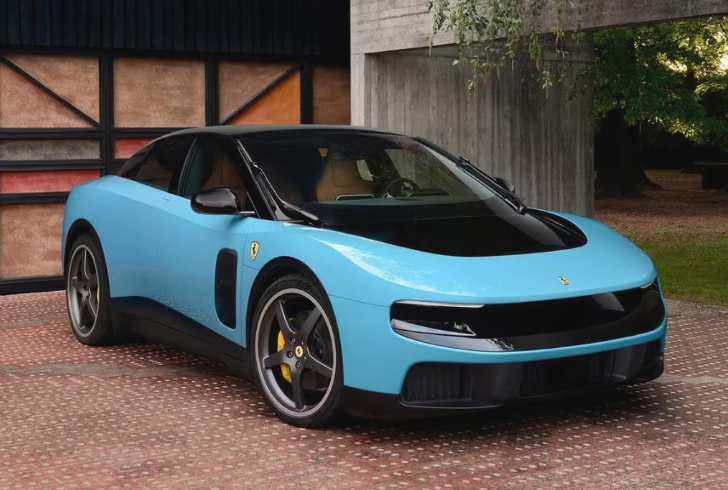
The Luce stands out from Ferrari’s traditional styling. Its rounded, bubble-like shape has surprised many longtime fans who associate the brand with sharp lines and aggressive design. The response was immediate, with critics arguing that the vehicle lacks the visual character expected from a Ferrari.
British publication Auto Express described the $640,000 electric supercar as the “Apple car that no one wanted,” referencing former Apple design chief Jony Ive, whose design agency contributed to the project.
US automotive analyst Lauren Fix also voiced strong concerns while speaking on CNN’s “Quest Means Business.”
“I’m a Ferrari owner, so I will tell you, it’s insulting to those of us that have these cars,” Fix said. “It looks like a Nissan Leaf.”
The comparison attracted attention because the Nissan Leaf sells for less than one-tenth of the Luce’s price.
Concerns Over Ferrari’s Electric Strategy
Fix suggested Ferrari may have felt pressure to enter the EV market but warned that buyers could struggle to justify the vehicle’s premium cost. She also pointed to Porsche’s decision to step back from certain electric vehicle plans as a sign that demand remains uncertain in the luxury performance segment.
Criticism extended beyond automotive circles. Matteo Salvini, Italy’s transport minister, shared his opinion on X, calling the Luce “outrageously expensive (550,000 euros!)” and adding that “from aesthetic point of view, it speaks for itself… It looks like anything but a car from the prancing horse.”
Performance Remains a Key Selling Point
Despite the controversy, Ferrari equipped the Luce with specifications designed to appeal to wealthy buyers seeking practicality and performance. It is the company’s first five-seat vehicle and targets families looking for additional space without giving up speed.
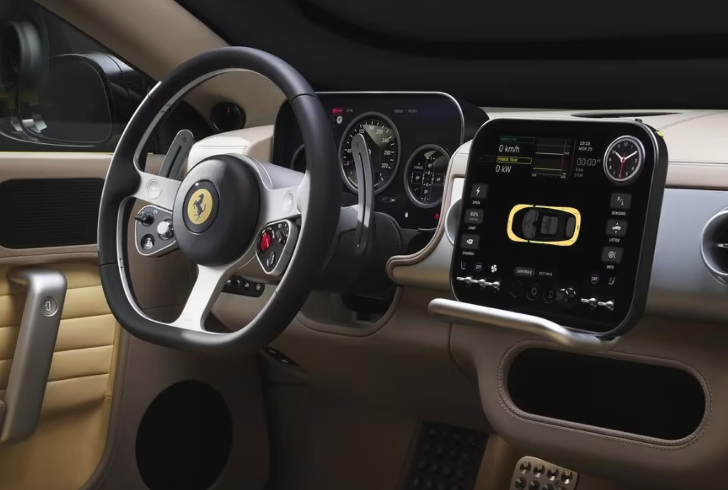
The model features four electric motors, a top speed of 190 mph, and a driving range exceeding 300 miles. Ferrari also included artificial engine sounds and simulated vibrations intended to recreate the driving sensations traditionally associated with the brand.
Market Reaction and Future Outlook
The negative reception had an immediate financial impact. Ferrari shares fell more than 8% on the Milan stock exchange the day after the Luce was revealed. Although the stock later recovered part of those losses, the company still saw roughly €5 billion ($5.8 billion) erased from its market value.
Horst Schneider, head of European automotive research at Bank of America, said much of the debate centers on “whether the Luce still looks and feels like a Ferrari.” He noted, however, that the overall risk appears manageable because of Ferrari’s broader vehicle lineup.
The Ferrari Luce represents one of the most significant changes in the company’s history. While its performance figures are impressive, the vehicle’s design, pricing, and departure from Ferrari’s traditional image have generated widespread criticism.
As Ferrari moves deeper into the electric era, the challenge will be convincing loyal customers that innovation can coexist with the qualities that made the brand iconic.