

Luxury travel is shifting fast, and the ocean is now the hottest address. Wealthy travelers are turning away from packed cruise ships and stepping onto sleek superyachts that feel more like private resorts. This shift is not small, and it is pushing the global superyacht market past $10 billion.
Traditional cruises once promised comfort and convenience, but they now feel busy and predictable. High-end travelers want space, privacy, and control over their experience. Superyachts deliver that in a way cruise liners cannot match, and demand keeps rising as expectations evolve.
Luxury hospitality brands have spotted the change and moved quickly. Big names like Four Seasons, Aman, and Ritz-Carlton are launching floating versions of their hotels. These vessels bring familiar service standards to the sea, which makes the transition easy for loyal guests.
Hotel Brands Take Over the Ocean
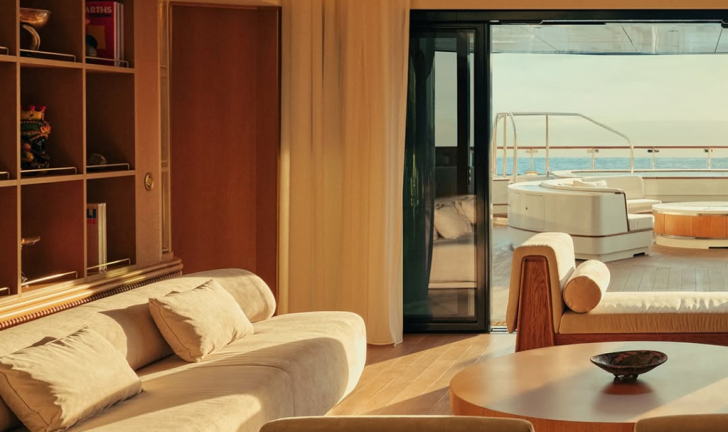
That small guest count allows for a one-to-one crew ratio and unmatched service levels.
View this post on Instagram
Aman is also entering the market with a superyacht expected in 2027. The brand is known for calm, private resorts, and it aims to bring that same feeling to the ocean. This move fills a gap between large cruise ships and fully private yacht charters.
Ritz-Carlton has already proven the concept works. Since launching its first yacht in 2022, it now operates a fleet of three vessels. These yachts combine luxury hotel service with curated travel routes, which attract guests who want both comfort and adventure.
More launches are set for 2026, and the lineup looks impressive. The Orient Express Corinthian will sail as the world’s largest sailing ship, while Emerald Cruises and Explora Journeys are adding new vessels with high space-per-guest ratios. Each launch pushes the standard higher and makes older cruise models feel outdated.
Personalization, Tech & Sustainability Drive Demand
Modern superyachts focus on personal expression as much as luxury. Owners and guests want spaces that reflect their style, and shipbuilders are responding with fully custom designs. This shift has increased the average size of new yachts as buyers choose bespoke builds over standard layouts.
Outdoor areas now adapt to climate and culture, especially in regions like the Middle East. Designers create shaded lounges, open decks, and flexible spaces that match how guests want to spend their time. Every detail aims to feel intentional and personal.
Sustainability has moved from a bonus feature to a core expectation. New yachts are using hybrid engines, hydrogen-ready designs, and cleaner fuels that can cut emissions by up to 90%. Materials are also changing, with recycled fabrics and alternatives to traditional teak becoming more common.
A Fast-Growing Market With Younger Buyers
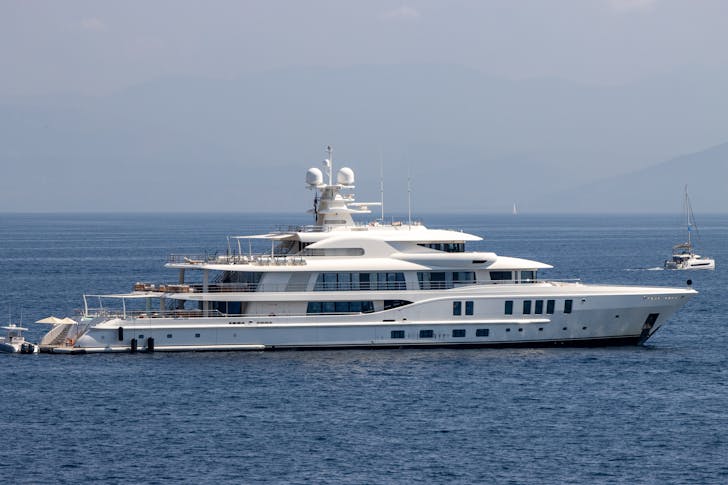
That steady growth reflects a strong appetite for high-end, private travel experiences.
Passenger superyachts dominate the market, making up about 68% of total share. Motorized yachts lead with around 73%, thanks to their speed and flexibility. These vessels offer everything from large suites to private pools, which keeps demand strong among elite travelers.
The typical yacht owner is also getting younger. The average age has dropped into the 40 to 50 range and is expected to fall further. This new group values experiences over ownership alone, which has led to more charter use and shared ownership models.
The yacht charter market is growing alongside ownership. It is expected to reach $15.53 billion by 2032 as more people choose access over full ownership. Even experienced owners now rent out their yachts to offset costs, which adds more supply to the market.