

Living on a houseboat often sparks two very different reactions. Some people picture peaceful mornings, waterfront views, and a lifestyle that feels far removed from crowded neighborhoods. Others imagine endless repairs, cramped quarters, and constant hassles.
According to houseboat residents who shared their experiences on Reddit, the reality sits somewhere in the middle. Life on the water offers unique rewards, but it also comes with responsibilities that many people never consider before moving aboard.
A Different Approach to Affordable Housing
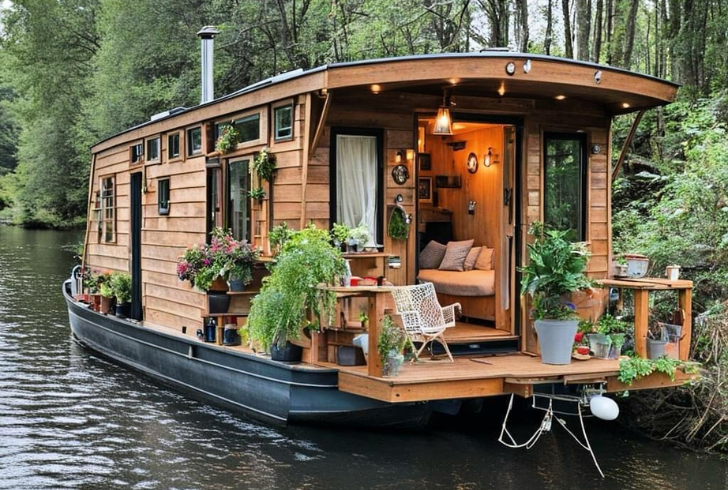
One of the biggest reasons people choose houseboat living is cost. In many areas, buying and maintaining a floating home can cost far less than renting an apartment or purchasing a traditional house.
One resident described living in a 40-by-14-foot former kelp barge converted into a 1,000-square-foot home in an Alaska harbor. The floating residence included many of the comforts found in a standard house, including a full-size refrigerator, stove, chest freezer, stacked washer and dryer, compact dishwasher, oil heating system, propane-powered on-demand hot water, and a stand-up shower. An electric two-person sauna was later added to the property.
The financial advantages stood out. The vessel was purchased at a relatively low price and paid off within a few years. Annual slip fees for the home and an adjacent skiff space totaled about $3,000. Electricity costs averaged around $100 per month, while heating required less than 200 gallons of fuel annually, costing roughly $800 to $1,000 each year.
For many residents, the math is simple. Waterfront living that would be unattainable in a traditional housing market becomes possible through a houseboat.
Another former houseboat owner spent two years living aboard a 40-foot powerboat with two children. The vessel featured two bedrooms and two bathrooms inside a well-maintained marina. Although upkeep required attention, monthly costs remained significantly lower than those associated with a conventional home. After moving ashore, housing expenses reportedly increased to six times the cost of boat living.
Nature Becomes Part of Everyday Life
Few housing options place residents as close to nature as a floating home. Wildlife sightings often become a normal part of the day rather than a special event.
The Alaska resident reported regular encounters with sea otters, seals, and numerous bird species directly outside the home. The constantly changing waterfront scenery added another layer of appeal.
Many people who spent childhood years on houseboats remember the outdoor experiences more than the practical challenges. Activities such as swimming immediately after waking up, exploring rivers and lakes, docking near isolated islands, and catching fresh fish created lasting memories.
For children, especially, a houseboat can feel like an endless playground. What may have been a financial necessity for adults often appeared as an exciting adventure from a younger perspective.
The Maintenance Never Stops
While the scenery earns plenty of praise, maintenance remains one of the most commonly discussed challenges.
Unlike traditional homes, houseboats rely on multiple systems working together in a confined environment. Plumbing, electrical components, heating, engines, water systems, air conditioning units, and waste management equipment all require regular attention.
One long-term houseboat resident who moved from a small sailboat to a 53-foot fixer-upper houseboat and later to a 42-foot barge summarized the biggest challenge with repeated emphasis: the toilet.
Waste systems are frequently mentioned as one of the least glamorous aspects of life on the water. Many houseboats rely on holding tanks that must be pumped out regularly. When tanks reach capacity before scheduled servicing, unpleasant odors can quickly spread throughout the living space.
The same resident later noted that the toilet became detached after mounting bolts wore through supporting wood less than a day after discussing the issue online. Experiences like these highlight how even small repairs can become urgent when living aboard a vessel.
Mechanical upkeep extends beyond plumbing. Owners often spend considerable time maintaining engines, air-conditioning systems, brightwork finishes, water pumps, and other specialized equipment that traditional homeowners rarely encounter.
Limited Space Requires Adjustment
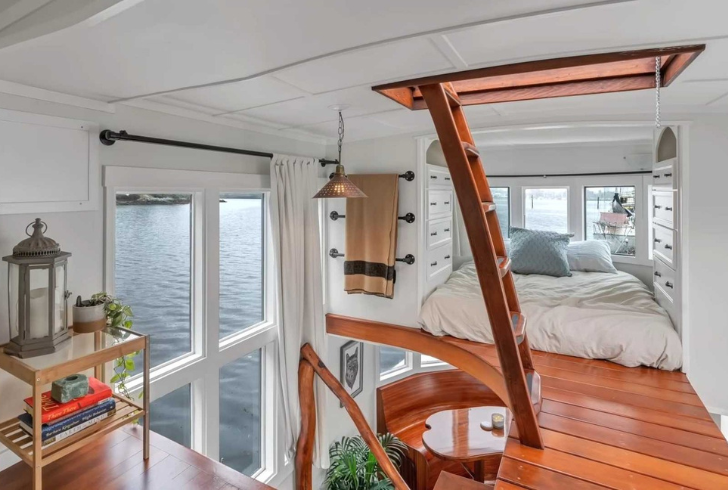
Space is one of the most noticeable differences between houseboats and conventional homes.
Even larger vessels typically provide less room than an average house. Storage becomes a constant consideration, and household members often develop routines that maximize efficiency.
People who spent their childhood aboard houseboats frequently described privacy as one of the biggest challenges. Narrow hallways, compact rooms, and shared living areas leave little opportunity for personal space.
Simple daily interactions often require coordination. Moving through tight passageways means regularly stepping aside and accommodating others in close quarters.
For some families, limited square footage eventually becomes the deciding factor in moving back to land-based housing despite enjoying many aspects of boat life.
Weather Can Change the Experience
Waterfront living brings direct exposure to changing weather conditions. Calm days can feel peaceful and relaxing, while storms create a very different atmosphere.
In Alaska, winter conditions presented several unique challenges. Strong winds and heavy rain produced significant noise, sometimes making sleep difficult. During one particularly severe storm, conditions became so intense that sleeping was impossible until the weather eased several hours later.
Movement is another factor. While some residents enjoy the gentle rocking of a floating home, others may find it difficult to adjust during rough weather.
Seasonal changes can also affect basic utilities. In some harbors, water service is disconnected during the winter months. Residents must rely on rainwater collection systems and storage tanks to meet daily needs.
The Alaska homeowner managed water consumption through a 120-gallon storage system. Conserving water often meant taking shorter showers, postponing laundry until rainy days, or transporting additional water manually during extended dry periods.
Unexpected Encounters With Wildlife
Living near the water often means sharing space with local animals, and not all encounters are charming.
One houseboat resident reported persistent raccoon problems around marina walkways and piers. The animals became so comfortable around people that they often refused to move aside when approached.
Saltwater environments also create additional complications. Constant exposure to moisture and salty air can damage electronics, accelerate corrosion, and increase maintenance costs.
Some waterfront regions present even greater wildlife concerns. One former resident recalled growing up around waters populated by numerous alligators. In one memorable incident, an alligator reportedly grabbed and consumed a child’s toy turtle, creating a story that remained unforgettable years later.
These experiences highlight how nature remains much closer than it does in most suburban neighborhoods.
Financing Can Be Complicated

Purchasing a houseboat does not always follow the same process as buying a traditional home.
Some residents report challenges securing financing because lenders may not classify certain floating homes as standard residential properties. Requirements often vary depending on the type of vessel, marina regulations, and local lending policies.
As a result, potential buyers may encounter fewer financing options compared to those available for conventional houses.
A Lifestyle Built on Trade-Offs
Houseboat living offers an alternative to traditional homeownership, blending waterfront views, lower housing costs, and daily access to nature. Residents often enjoy a lifestyle centered around the water, with wildlife sightings and a setting that feels far removed from conventional neighborhoods.
That experience comes with responsibilities. Maintaining onboard systems, managing utilities, adapting to changing weather conditions, and making the most of limited space are all part of everyday life on a floating home.
Accounts from long-term residents show that houseboat living is shaped by both practicality and personal preference. For those who appreciate a simpler, water-focused lifestyle, the rewards can outweigh the challenges.
Rather than fitting the image of either a vacation retreat or a difficult living situation, a houseboat offers a distinct way of life that differs from traditional housing in almost every aspect.