

For nearly two decades, personal luxury cars represented a uniquely American idea of comfort, style, and success. These large two-door coupes were not designed to be the fastest or most practical vehicles on the road. Instead, they focused on offering a smooth ride, bold styling, and premium features at a price that appealed to middle-class buyers.
From vinyl landau roofs and opera windows to plush leather interiors and powerful V8 engines, these cars became symbols of status during the 1960s and 1970s. Although the segment eventually disappeared, its influence remains an important chapter in American automotive history.
What Was a Personal Luxury Car?
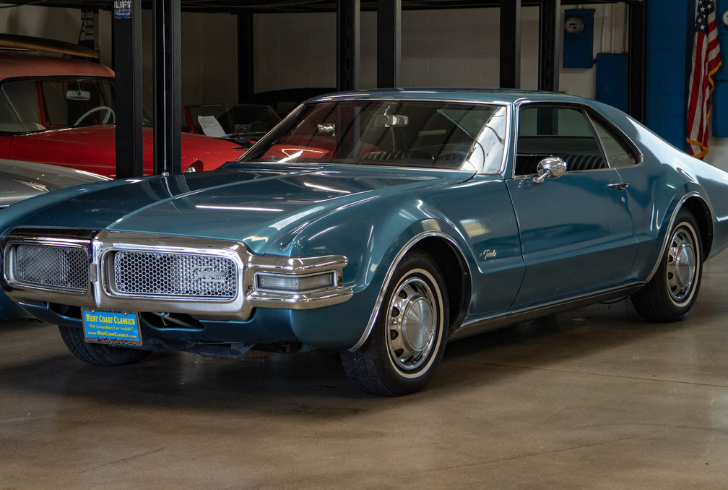
A personal luxury car was a full-size or mid-size two-door coupe that prioritized comfort, appearance, and prestige over outright performance. These vehicles stood apart because they combined luxury-inspired styling with the affordability of mainstream American brands.
Unlike sports cars, personal luxury models focused on effortless cruising rather than aggressive handling. Soft suspension systems, spacious cabins, chrome trim, hood ornaments, and elegant interior materials created a driving experience centered on relaxation instead of speed.
Detroit automakers quickly realized there was strong demand for cars that looked expensive without carrying the price tag of a traditional luxury sedan. That formula became one of the industry’s biggest success stories for nearly 20 years.
European Ideas Sparked an American Trend
The roots of the personal luxury car can be traced to the 1950s, when American manufacturers experimented with stylish two-door models such as the Buick Roadmaster Skylark, Cadillac Eldorado, and Chrysler 300. These cars blended premium features with strong V8 performance.
Around the same time, small European sports cars gained attention in the United States. Returning American servicemen from World War II brought home cars from brands including MG, Jaguar, Triumph, and Austin-Healey. Their popularity encouraged Detroit to build vehicles inspired by European styling while adapting them to American preferences.
General Motors introduced the Chevrolet Corvette in 1953 as a lightweight two-seat roadster with a fiberglass body. Ford answered with the Thunderbird in 1955, describing it as “a personal car of distinction.” It featured European-inspired styling, a removable fiberglass roof, and a 292-cubic-inch OHV Y-block V8 engine.
Although the Thunderbird outsold the Corvette during its early years, customer research revealed one major concern. Buyers wanted a back seat. Ford President Robert McNamara responded by reshaping the car for broader appeal instead of limiting it to sports car enthusiasts.
The Thunderbird Changed Everything
The biggest turning point arrived in 1958 when Ford completely redesigned the Thunderbird. The new model abandoned its two-seat layout in favor of four seats, a longer wheelbase, and greater emphasis on comfort.
The decision proved highly successful. Between 1958 and 1961, Ford sold 198,191 Thunderbirds, nearly four times the total achieved between 1955 and 1957. Buyers clearly preferred a stylish coupe that offered both luxury and everyday usability.
This success established the blueprint that other American manufacturers would soon follow.
Detroit Builds a New Market
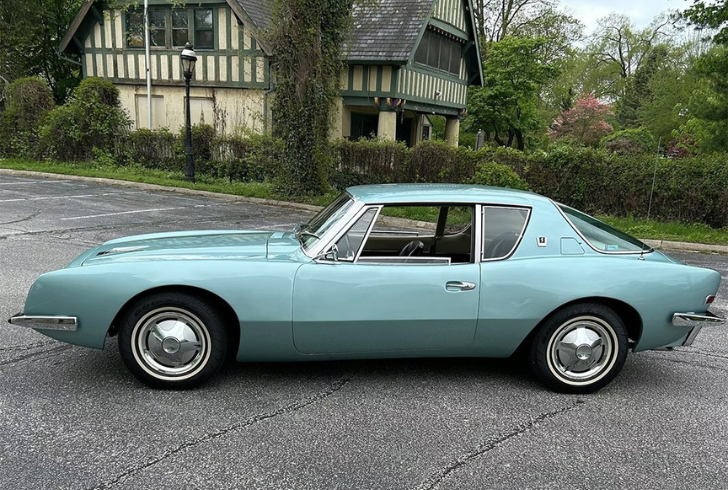
After Ford demonstrated the commercial potential of personal luxury cars, nearly every major American automaker entered the segment.
Studebaker introduced the Avanti in 1962. Its fiberglass body, four-seat layout, and V8 engine helped it earn cult status even after production officially ended in December 1963.
General Motors launched the Buick Riviera in 1963, which quickly became one of the segment’s defining models. Soon afterward, American Motors introduced the Rambler, later called the AMC Marlin, in 1965. It offered a larger alternative to the growing number of sporty fastback pony cars.
Chrysler entered the category with the Dodge Charger in 1966, while Ford expanded its lineup with the Mustang-based Mercury Cougar in 1967.
General Motors also used these coupes to introduce advanced engineering. The Oldsmobile Toronado arrived in 1966 with a revolutionary front-wheel-drive platform. Cadillac adopted the same layout for the Eldorado in 1967, and the company continued using that architecture until the model ended production in 2002.
Luxury Reached Its Peak in the 1970s
During the early 1970s, personal luxury cars became an attractive alternative to muscle cars. Models such as the Chrysler Cordoba, Ford Gran Torino Elite, and Lincoln Continental Mark series focused on comfort instead of raw performance.
Large-displacement V8 engines remained common, but buyers were equally drawn to premium details. Vinyl landau roofs, opera windows, thick velour or leather seating, chrome accents, and distinctive hood ornaments gave these coupes a strong visual identity.
For many Americans, these cars offered an affordable way to enjoy luxury-inspired styling without purchasing a high-end European sedan.
Why the Segment Began to Decline
The personal luxury car market changed dramatically after the 1973 oil embargo. Rising fuel prices shifted consumer priorities almost overnight. Heavy coupes with large V8 engines and single-digit fuel economy no longer matched what many buyers wanted.
Manufacturers responded by reducing both weight and size.
Ford downsized the Thunderbird and Mercury Cougar in 1977, making them roughly 10 inches shorter and nearly 900 pounds lighter. General Motors followed between 1978 and 1979 by shrinking models such as the Buick Regal, Chevrolet Monte Carlo, Oldsmobile Cutlass Supreme, and Pontiac Grand Prix. Each lost approximately 900 pounds while adopting much smaller body dimensions. The 1979 Cadillac Eldorado measured about 20 inches shorter than the previous generation.
Although these redesigned cars initially sold well, the segment struggled to regain its earlier popularity.
Imports Changed Consumer Expectations
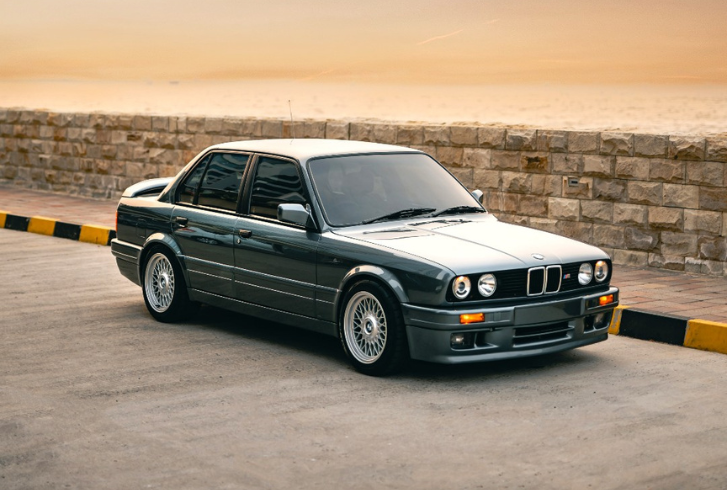
By the 1980s, younger buyers increasingly preferred European and Japanese brands. BMW and Mercedes-Benz attracted customers seeking refined engineering, while Acura and Lexus later introduced luxury models that combined comfort with modern technology and strong reliability.
Traditional American personal luxury cars gradually disappeared. The Oldsmobile Toronado ended production in 1992, followed by the original Ford Thunderbird in 1997. The Lincoln Mark series left in 1998, the Buick Riviera in 1999, and the Cadillac Eldorado in 2002.
The Chevrolet Monte Carlo remained the final major representative of the segment. Produced as a coupe version of the Impala sedan and serving as Chevrolet’s NASCAR model, it ended production in 2007.
Why Personal Luxury Cars Haven’t Returned
Personal luxury cars reflected a specific moment in American culture. Buyers valued size, comfort, and distinctive styling as visible signs of success. Performance and fuel efficiency were often secondary considerations.
As consumer preferences changed, luxury came to mean something different. Buyers began looking for advanced technology, premium brand reputation, better fuel economy, and greater versatility. SUVs eventually replaced large coupes as the preferred choice for many families and luxury buyers alike.
Today, mainstream brands such as Ford and Chevrolet, along with luxury manufacturers including Cadillac, Lincoln, BMW, and Lexus, generate much of their sales through SUVs rather than large personal coupes.
Personal luxury cars marked a memorable chapter in American automotive history. Built with an emphasis on comfort, bold styling, and spacious interiors, they reflected what many buyers wanted during the 1960s and 1970s. Rising fuel costs, stronger competition from imported brands, and changing consumer preferences gradually brought the segment to an end.
While these two-door coupes are no longer produced, they remain an important part of the industry’s history and continue to be appreciated by collectors and classic car enthusiasts.